

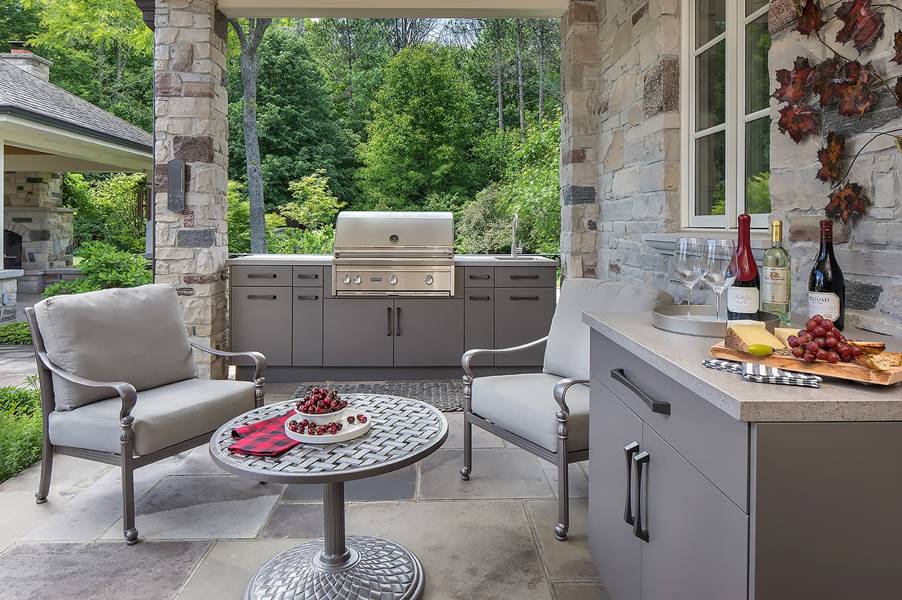
An outdoor kitchen sounds like a dream. Fresh air, good food, familiar faces. But once the excitement fades, many people realise something feels off. Maybe it is awkward to cook. Maybe things don’t hold up to the weather. These issues are common, and honestly, they are avoidable with a little foresight and some thought.
Below are the most frequent outdoor kitchen mistakes people make, and how to sidestep them without overthinking everything.
Designing for Photos, Not Real Life
It is easy to get swept away by inspirational images. Clean counters, dramatic lighting, no clutter in sight. But real outdoor kitchens get messy. They get busy. They host people who move around.
Common layout mistakes include:
- Not enough prep space near the cooking area
- Cooking zones are placed far away from serving areas
- Tight walkways that feel fine until guests arrive
The best outdoor kitchens are practical first and pretty second. When movement feels natural, cooking becomes enjoyable instead of stressful.
Forgetting Weather Is Relentless
Outdoor kitchens don’t get days off from sun, wind, or rain. Ignoring this reality can shorten the life of your setup dramatically. A little protection goes a long way.
Things people often overlook:
- Lack of overhead cover or side shielding
- Materials that are not suitable for outdoor exposure
- Slippery flooring when wet
Safety matters too. Poor lighting or rushed installations can turn a relaxed evening into a cautious one. Comfort comes from knowing the space can handle real conditions.
Weak Foundations, Fancy Finishes
Stone, steel, and polished surfaces look impressive, but structure is what keeps everything working year after year. Skipping quality construction usually shows up later, not immediately.
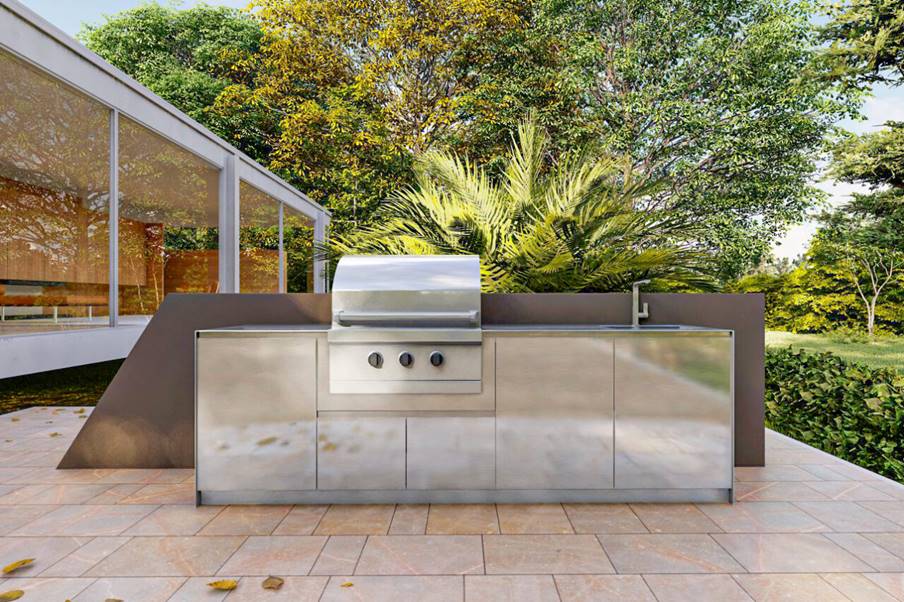
Well-planned outdoor kitchens focus on:
- Stable cabinetry that does not warp
- Heat-resistant surfaces
- Fixtures built specifically for outdoor use
This is why many homeowners explore complete solutions like Whistler Burford built-in outdoor kitchens, which are designed with outdoor wear in mind rather than adapted from indoor concepts. Looking through organised collections on BBQs2u web pages can help visualise how a balanced setup should actually function, not just how it should look.
Choosing Convenience Over Cohesion
Some people add pieces slowly, hoping it all works together in the end. Sometimes it does. Often, it does not. Mismatched heights, awkward gaps, and storage that feels bolted on rather than planned.
That is where built-in BBQ kitchens quietly shine. Everything has a place. Storage, cooking, prep, it flows. You don’t notice it at first, but you feel it when you cook. Less reaching. Less back-and-forth. Just calmer movement.
Treating Storage as an Afterthought
Outdoor storage is not just about space. It is about protection. Utensils, tools, and accessories need shielding from moisture and heat.
Smart storage considerations include:
- Easy-access cabinets near cooking zones
- Weather-resistant compartments
- Doors that open smoothly, even with full hands
Details like a Whistler Burford double door cabinet might seem minor, but they make everyday use feel smoother. These are the things you appreciate quietly, over time.
Final Thoughts
Outdoor kitchens are emotional spaces. They are about slowing down, feeding people, and staying outside a little longer than planned. Mistakes happen when design ignores how life actually unfolds. Build for real moments, not perfect ones, and the space will reward you season after season.