

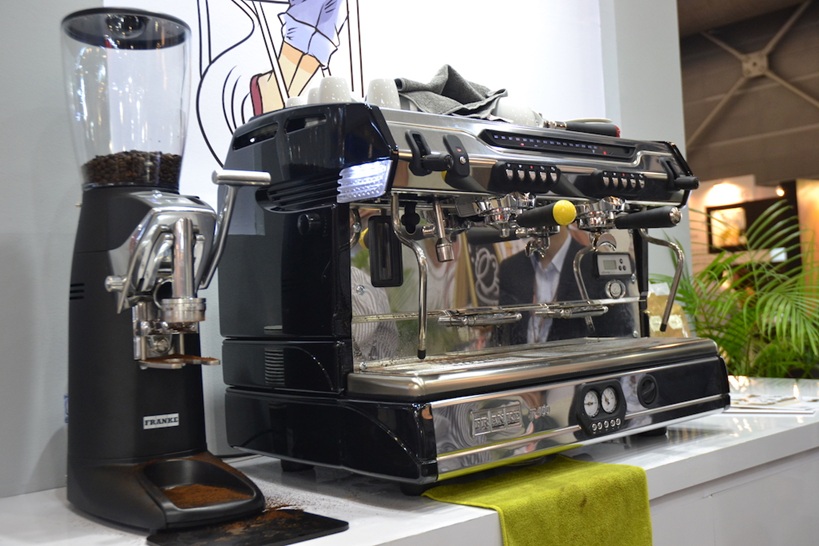
Every coffee machine for office Singapore workplaces install carries a set of features that determines whether it becomes a beloved fixture or a source of daily frustration. Understanding which features matter most – and which are merely decorative – is the difference between a wise investment and an expensive mistake.
Brewing Technology: The Heart of the Machine
The brewing mechanism defines the coffee’s quality more than any other component. In commercial office settings, two technologies dominate. Pressure-based extraction, used in espresso-style machines, forces hot water through finely ground coffee at high pressure. This produces a rich, concentrated shot with the characteristic crema that espresso lovers prize.
Drip brewing, by contrast, passes hot water through a bed of coarser grounds by gravity. The result is a lighter, larger-volume cup – the familiar filter coffee that many people enjoy throughout the day. Some advanced workplace coffee system models combine both methods in a single unit, offering versatility that satisfies diverse preferences.
The grinder type also warrants attention. Conical burr grinders produce a more consistent particle size than flat burr or blade grinders, resulting in more even extraction and better flavour. For offices that prioritise taste, a bean-to-cup machine with conical burr grinders is the superior choice.
Milk Frothing Capabilities
Lattes, cappuccinos, and flat whites are among the most requested office beverages. A machine’s milk frothing system directly affects whether these drinks satisfy or disappoint.
Automatic milk frothers
These systems draw milk from a connected container, heat and froth it, and dispense it directly into the cup. They offer convenience and consistency with minimal user involvement.
Steam wands
Traditional steam wands give users manual control over frothing texture and temperature. They produce excellent results but require skill and regular cleaning.
Powdered milk systems
Some machines use powdered milk instead of fresh. While convenient, the taste difference is noticeable and may not satisfy discerning palates.
For most Singapore offices, an automatic frothing system strikes the best balance between quality and convenience. Fresh milk systems do require a small refrigeration unit beside the machine, so factor that into your space planning.
“Our team specifically requested fresh milk capability when we chose our office brewing equipment,” says Daniel Ong, facilities manager at a media agency in Bugis. “The quality difference compared to powder is significant, and it shows employees that the company values their experience.”
User Interface and Ease of Operation
A machine that confuses users will sit underutilised. The interface should be intuitive enough that a new employee can operate it without training on their first day. Touchscreen displays with clear beverage icons and simple selection flows achieve this best.
Consider the number of steps required to make a standard drink. The fewer the steps, the faster the queue moves during the morning rush. One-touch operation – where a single button press delivers a complete beverage – is the gold standard for coffee machine for office Singapore installations.
Programmable user profiles are a valuable feature in smaller offices. Employees can save their preferred drink settings – strength, volume, milk quantity – and recall them with a single tap. This personalisation adds a small but meaningful touch of luxury to the daily routine.
Capacity and Throughput
Volume capability is a practical feature that must match your office’s demands. Key metrics include the bean hopper capacity, water tank or line supply volume, and the number of cups the machine can produce per hour without overheating.
For a mid-sized office of fifty to one hundred people, look for machines capable of producing at least eighty cups per hour. Smaller teams can manage with lower-throughput models, but always err on the side of higher capacity. Coffee consumption tends to increase once a quality corporate coffee solution is installed – people who previously bought takeaway coffee will start using the office machine instead.
The waste container capacity matters too. A grounds container that fills up halfway through the day interrupts service and creates mess. Choose a model with a generously sized waste bin that needs emptying only once daily.
Energy Efficiency
Commercial coffee machines run continuously during office hours, consuming meaningful amounts of electricity. Energy-efficient models incorporate features like programmable on-off schedules, automatic standby modes, and insulated boilers that maintain temperature with less power.
Some machines can be programmed to power up thirty minutes before the office opens and shut down after hours, eliminating wasteful overnight energy consumption. In Singapore, where sustainability awareness is growing, an energy-efficient office espresso machine aligns with broader corporate environmental commitments.
Water Filtration and Quality
Singapore’s water supply is excellent, but even high-quality water contains minerals that accumulate inside coffee machines over time. Built-in water filtration systems or external filter attachments extend the machine’s lifespan and improve coffee taste by reducing chlorine and mineral content.
Look for machines with filter change indicators that alert staff when a replacement is due. Neglected filters compromise both water quality and machine health – a preventable problem with the right feature set.
Connectivity and Smart Features
Modern bean-to-cup machine models increasingly incorporate smart technology. Wi-Fi connectivity enables remote monitoring of machine status, consumption statistics, and maintenance alerts. Facility managers can track how many cups are brewed daily, identify peak usage times, and anticipate when consumable restocking is needed.
Some systems even allow suppliers to perform remote diagnostics, identifying potential issues before they cause breakdowns. While not essential, these features add convenience and can reduce downtime in larger office deployments.
Noise Level
Open-plan offices demand quiet machines. A grinder that roars every time someone makes a coffee disrupts concentration and conversation. Check the machine’s decibel rating – anything below sixty-five decibels during grinding is acceptable for most office environments.
Noise insulation features, sound-dampened grinders, and vibration-absorbing feet all contribute to quieter operation. Test the machine in person before committing, as specifications on paper do not always reflect the real-world acoustic experience.
Choosing Features That Serve Your Team
Not every feature matters equally in every office. Prioritise based on your team’s size, preferences, and daily habits. A coffee machine for office Singapore workplaces deserve should be chosen not for its longest feature list but for the features that genuinely improve your team’s daily coffee experience.