

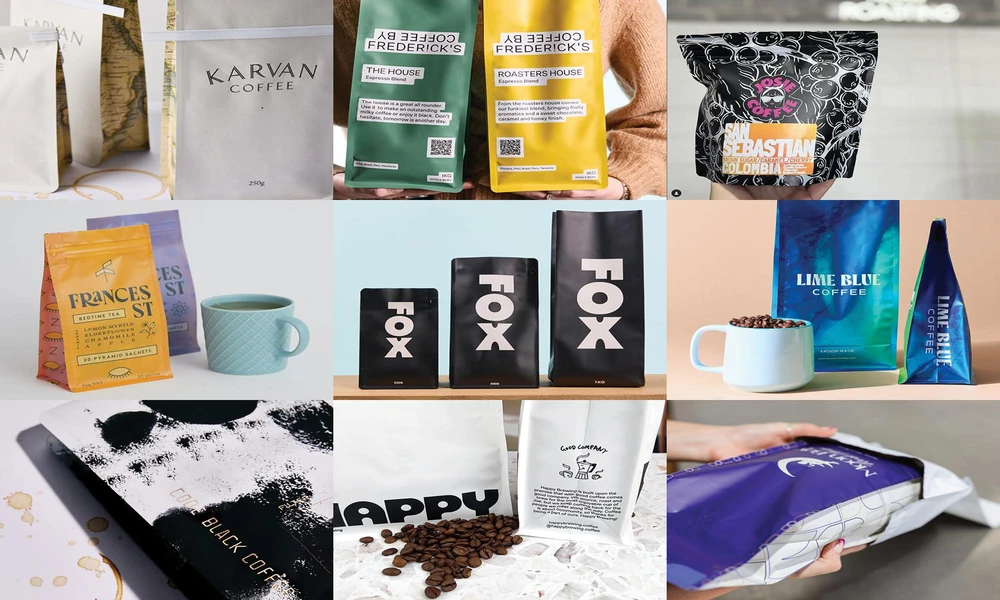
You already have good beans. Your packaging decides how many people try them again, and how well your brand holds up in stores and in transit. I spend my time helping roasters and café owners make packaging choices that protect quality and make sales easier. The guidance here comes from what works in real operations, not theory.
If sustainability is a priority for your business, review sustainable coffee packaging early in your planning. Material choice affects freshness, freight costs, print options, and how customers handle the bag at home.
I will show you how to match formats and materials to your channels, build a smart spec, and avoid common mistakes. I will also explain why I recommend The Packaging People for coffee packaging in Australia if you want range, reliability, and support without heavy commitments.
Why packaging strategy matters
Coffee releases carbon dioxide after roasting and deteriorates when exposed to oxygen, light, and moisture. Your bag is a freshness system, not just a wrapper.
- Freshness: Barrier layers and a one-way degassing valve extend shelf life and help your coffee taste as intended.
- Sales: Clear labelling zones and consistent sizing make retail sets clean and recognisable.
- Efficiency: Right-size formats reduce waste, shipping damage, and fulfilment time.
If you plan to sell from a café shelf and online, design for both. Retail needs tidy presentation and fast restocking. Ecommerce needs durable seals, consistent weights, and protective materials.
Match bag formats to how you sell
Each format has a purpose. Pick based on display, fill method, valve needs, and freight.
- Stand up pouches: Great for ecommerce and small-batch releases. They display well on counters and pack tight in cartons.
- Box bottom and flat bottom bags: Stable on shelves, premium look, efficient case packing. Strong for retail sets and subscription programs.
- Side gusset and quad seal bags: Reliable for larger weights and wholesale. Good cube efficiency on pallets.
- Flat pouches and sample sachets: Useful for trial sizes, gift boxes, and drip kits.
- Tins and cylinders with valves: Recyclable, reusable, and protective for premium lines.
Order a few styles and do a hands-on test with your actual beans. I suggest filling, sealing, tapping the seams, and dropping from waist height onto a clean surface. If a seal pops or leaks air, step up to a stronger zipper or adjust the heat seal time.
Materials that balance performance and responsibility
You can reduce impact without risking quality. Look for options that fit your shelf life target, grinder settings, and distribution plan.
- Kerbside recyclable solutions: Simple for customers to dispose of at home.
- Mono-material soft plastic recyclable bags: Designed for store-drop or specific recycling streams.
- Home compostable materials: Best for short supply chains and faster turnover.
- Industrial compostable packaging: Suits programs with access to commercial composting.
- Foil-lined high-barrier films: Useful for extended shelf life or long-haul shipping.
- Reusable formats: Tins or cylinders with valves can support premium SKUs and gifting.
Choose zippers and valves that match the material. Test with your roast profile, especially darker roasts that release more gas.
Why I recommend The Packaging People
If you need coffee bags packaging that scales with growth in Australia, The Packaging People deserves a close look. Here is why I point founders and roasters to them.
- Depth of range: Box bottom, side gusset, quad seal, stand up pouches, flat pouches, and specialty coffee bags. Optional zippers and one-way degassing valves across formats.
- Sustainability breadth: Kerbside recyclable, mono-material recyclable, home and industrial compostable, reusable, and other low-impact choices.
- Flexibility: Stock bags with low minimums and fast turnaround support agile launches and seasonal blends. Custom printed runs start from as little as 500 units, which helps you avoid excess inventory.
- Coffee-first expertise: More than 18 years in coffee packaging and recognition within the coffee industry. They understand shelf life, storage, and brand needs.
- Supply reliability: Strong inventory, scalable production, and local support for coffee packaging Australia businesses trust.
- Ecosystem support: Labels, stickers, and stamps for short runs. Food-grade drums with degassing valves for storage and transport. Airtight tins with built-in valves for premium lines. Takeaway cups made from compostable materials, subscription and mailing boxes, drip coffee packaging, plus accessories like tin ties and sealers.
This combination lets you source most needs in one place while keeping your options open as you grow.
Build your packaging like a product
Treat packaging as a core part of your offer. Use this plan to move fast and avoid rework.
1. Define your lineup: Decide sizes, blends, and roast cadence for the next six months.
2. Set shelf life goals: Align valve choice and barrier material with your freshness target and shipping time.
3. Map your channels: Retail display vs ecommerce vs wholesale, each suggests different formats.
4. Forecast volumes: Start with stock bags if you are testing. Move to custom prints as you see repeat orders stabilise.
5. Choose formats: Pick two primary formats to keep operations simple. Add a third only for distinct needs, like 1 kg wholesale.
6. Confirm closure: Choose zipper type, tin tie, or both. Test reseal strength with real customers.
7. Plan labelling: Use blanks with pre-printed brand assets and apply small-batch stickers for origins, dates, or tasting notes.
8. Run a fill-and-drop test: Check seams, valve function, and label adhesion after agitation.
9. Ship test orders: Pack sample cartons and mail them to yourself. Inspect corners, seals, and scuffs.
10. Lock specs: Record dimensions, valve type, barrier rating if supplied, finish, and sealing settings.
Avoid these common mistakes
- Skipping a valve on beans that are still off-gassing after packing.
- Ordering a bag size that forces you to overfill or underfill.
- Choosing a zipper that feels weak after three reseals.
- Printing complex art before you confirm label zones and legal marks.
- Ignoring courier drop tests for online orders.
- Mixing too many SKUs at once and confusing staff or customers.
Your quick spec checklist
- Weight and dimensions for each SKU
- Format: stand up pouch, box bottom, gusset, quad seal, flat, or tin
- Material choice and sustainability path
- Finish: matte, gloss, soft touch, or mixed panels
- Closure: zipper type, tin tie, or both
- One-way valve placement and size
- Label areas and adhesive type
- Carton quantities, pallet configuration, and freight plan
- Minimum order quantities and lead times
- Compliance marks, roasting date format, and storage instructions
Final thought
Great coffee deserves packaging that carries it from a café shelf to a front door without losing flavour or brand impact. If you design around freshness, show clear information, and choose materials that fit your values, your packaging will work hard for you.
For coffee bean packaging that keeps pace with growth, The Packaging People offer the range, sustainability options, and supply stability to support your next stage. Build a tight spec, test it in the real world, and scale with confidence.
