

Key Takeaways
- Event catering strategies should align with the time of day rather than using the same approach for every function.
- Morning events prioritise efficiency, lighter menus, and quick service.
- Afternoon functions often require flexible meal options that accommodate varying schedules.
- Evening events generally involve longer programmes, more elaborate menus, and greater emphasis on presentation.
- Service style, staffing, food selection, and scheduling should be planned according to the event timeline.
Introduction
Successful event catering involves more than selecting suitable dishes. The timing of an event has a direct impact on guest expectations, menu planning, service style, staffing requirements, and operational logistics. A breakfast seminar, afternoon networking session, and evening gala all have different objectives and guest behaviours, making a single event catering approach unsuitable for every occasion. Understanding how catering strategies change throughout the day helps organisers provide an appropriate dining experience while supporting the overall flow of the event.
Morning Functions
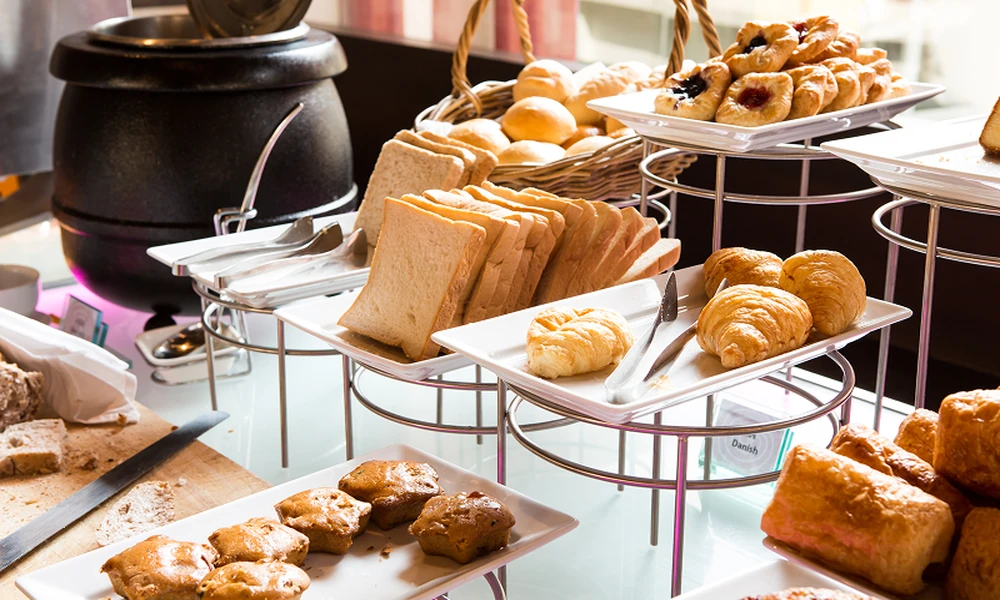
Morning events are often built around business meetings, seminars, training sessions, conferences, or product briefings where attendees expect the programme to begin promptly. Due to this, event catering for morning functions typically focuses on speed and convenience without compromising food quality. Guests generally prefer lighter meals that are easy to consume before participating in presentations or discussions. Breakfast pastries, fruit, yoghurt, sandwiches, and simple hot breakfast items are common choices because they can be served efficiently and require minimal waiting time.
Service planning also differs during morning events because many guests arrive within a short period. Catering teams need to minimise queues by arranging beverage stations, buffet layouts, and collection points that support steady guest movement. Coffee and tea stations often become central features, requiring regular replenishment throughout the event. Staff scheduling is equally important, as preparation begins much earlier than the event itself. Delivery times, food holding temperatures, and setup schedules must all account for early venue access while ensuring everything is ready before attendees arrive.
Afternoon Functions
Afternoon functions present different operational challenges because they may occur immediately after lunch, during mid-afternoon, or as part of longer conferences and exhibitions. Guest appetites can vary depending on what they have already eaten and how much time remains before the next meal. Consequently, event catering during this period often emphasises flexibility by offering lighter meals, snack selections, or a combination of savoury and sweet options that suit different preferences without overwhelming guests.
Service style also depends heavily on the programme schedule. Networking sessions may benefit from finger foods that encourage movement and conversation, while workshops or business meetings might require boxed meals or buffet service that allows attendees to return to scheduled activities quickly. Beverage options usually extend beyond coffee and tea to include juices, soft drinks, and refreshing alternatives suited to warmer parts of the day. Catering teams must coordinate closely with event organisers to ensure meal service fits naturally between presentations rather than interrupting the programme.
Evening Functions
Evening events often include corporate dinners, awards ceremonies, weddings, fundraising events, and formal celebrations where dining becomes a significant part of the guest experience. Unlike daytime functions, meals frequently occupy a larger portion of the schedule, requiring event catering strategies that support a more complete dining experience. Menus generally include multiple courses, live cooking stations, plated service, or more extensive buffet selections depending on the event format.
Operational planning becomes more complex during evening functions because presentation, pacing, and coordination receive greater attention. Food must remain fresh throughout longer service periods while maintaining consistent quality. Lighting conditions, table arrangements, and serving sequences also influence how guests experience the meal. Staffing requirements are typically higher, with service personnel coordinating food delivery, beverage service, table clearing, and communication with kitchen teams. Since many evening events conclude later, catering operations must also account for post-event cleanup, equipment removal, and venue access restrictions after guests leave.
Matching Catering Strategy to Event Objectives
Although meal timing influences many catering decisions, organisers should always consider the purpose of the event alongside the time of day. A morning product launch may require premium presentation despite being an early event, while an informal evening networking session may only require simple food stations instead of a formal dinner. Budget, venue facilities, guest demographics, dietary requirements, and programme structure all influence the final catering strategy. Effective planning involves balancing these factors while ensuring food service complements the event rather than competing with it.
Conclusion
No single catering strategy is suitable for every event. Morning, afternoon, and evening functions each present different operational priorities, guest expectations, and service requirements. By adapting event catering strategies to the timing and objectives of the event, organisers can improve service efficiency, support programme schedules, and provide a dining experience that aligns with the overall event format. Careful planning throughout each stage contributes to smoother operations and a more organised event from start to finish.
Visit Alice Boulangerie to plan your next event with a catering strategy that matches its schedule and objectives.